What the loop actually is
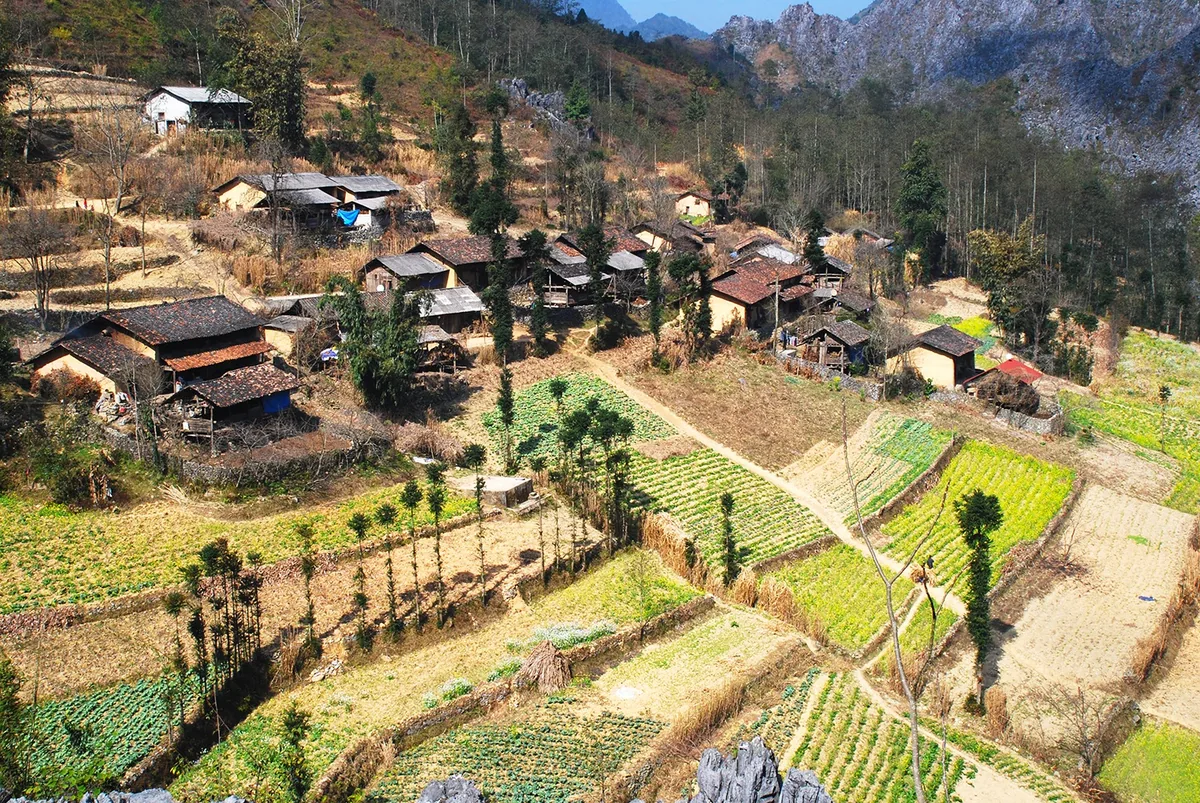
The Ha Giang Loop is a circuit of provincial roads through Vietnam's northernmost province, up against the Chinese border. It climbs out of Ha Giang city over Bac Sum Pass, crosses the Dong Van Karst Plateau — a UNESCO Global Geopark of grey limestone towers — and turns south again over Ma Pi Leng, the pass that hangs 1,500 metres above the Nho Que River.
Nobody rides it for the distance. People ride it because every twenty minutes the landscape changes character, because the village you stop in for lunch has never seen a menu, and because the road itself was cut by hand through rock in the 1960s. Most travellers give it three days. Two days is possible if you are short of time; four days lets you add Du Gia and swim under a waterfall.
Pick the way you want to travel
Same road, four very different trips. If you have never ridden a manual bike, take an easy rider — you sit behind a local driver and keep your hands free for the camera. If you do not want two wheels at all, the jeep and SUV run the identical route on four.
The stops you came for
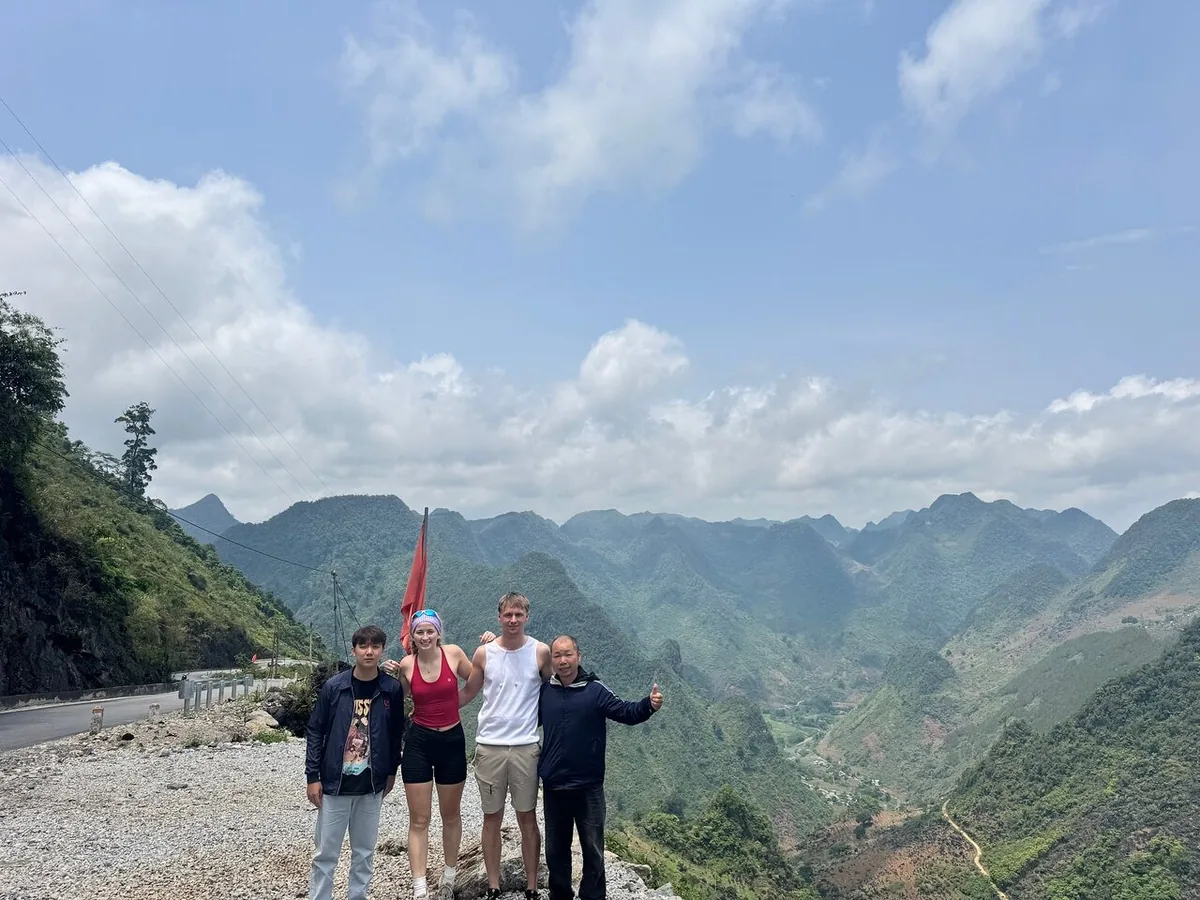
- Ma Pi Leng Pass — the Happiness Road, carved into a cliff face above the Nho Que gorge. Every itinerary crosses it.
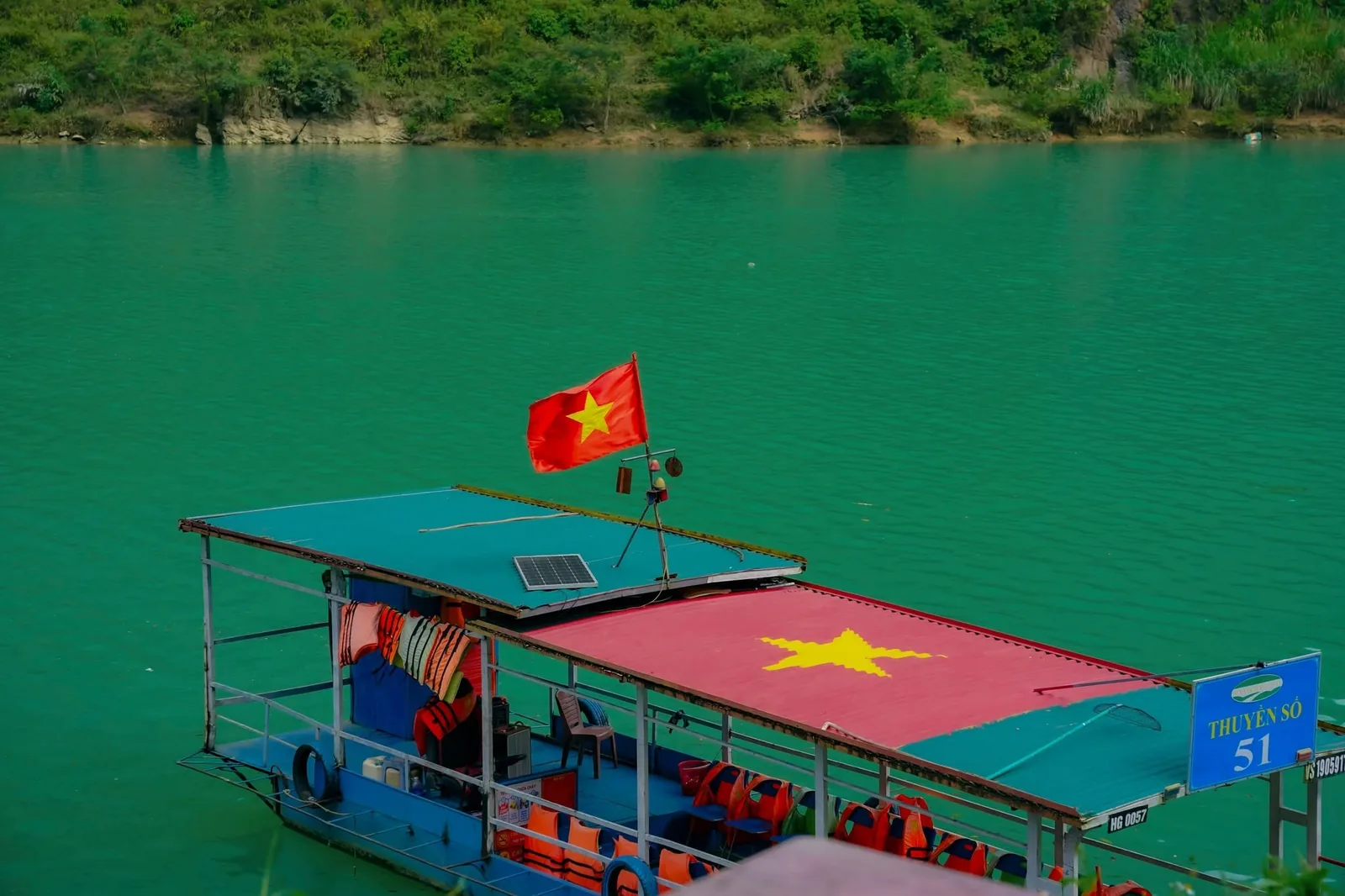
- Nho Que River and Tu San Canyon — a small boat takes you into the narrowest canyon in Southeast Asia, walls rising 700 metres on both sides.
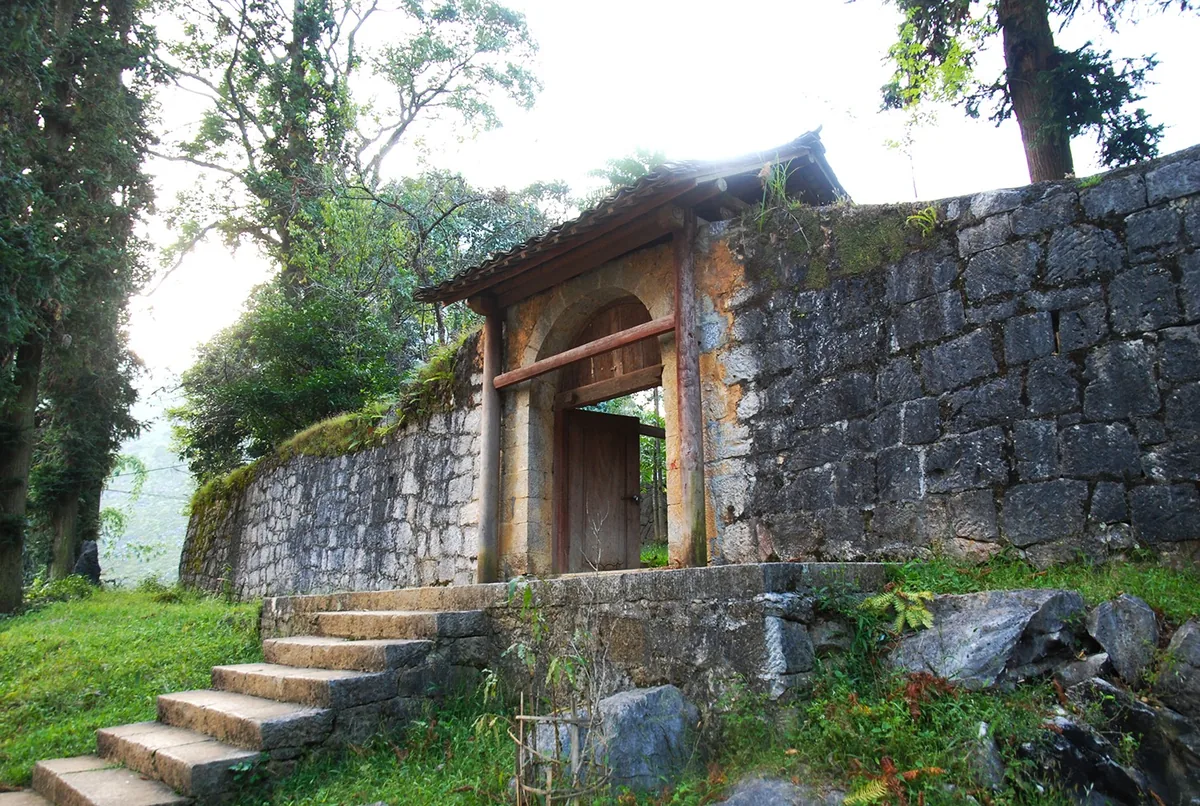
- Dong Van Old Quarter — a century-old market town of clay-tiled roofs, coffee shops and a Sunday market that fills the square before dawn.
- Lung Cu Flag Tower — the northernmost point of Vietnam, on the four-day and some three-day routes.
- Du Gia — a Tay valley of rice terraces and a swimming waterfall, added on the four-day loop.
- Tham Ma and Bac Sum passes — the hairpin switchbacks that show up in every photograph of Ha Giang.
What you get from booking direct
We are based in Ha Giang, not in a Hanoi call centre. The person who answers your message is the person who briefs you the morning you ride out. That means the price you pay is the price of the trip, and if a road closes after heavy rain we reroute you the same day instead of cancelling.
- Local guides from the province, paid year round rather than per trip.
- Homestays in villages we have worked with for years — dinner is cooked in the house, not delivered.
- Bikes serviced between every departure, with damage cover included in the package.
- Group sizes kept small enough that the last rider is never alone on a pass.
- Written itineraries and prices before you pay anything.
How to book
- Send us your dates, group size and the style of trip you want using the enquiry form.
- We reply with a written itinerary, the exact price and what is not included.
- You confirm and pay a deposit; the balance is settled in Ha Giang before departure.
- Arrive in Ha Giang city the evening before your start date. The briefing is the next morning.
- Ride.